Entry · Ref FFFUMS5D
Simple Steps to Stop Number Plate Fraud and Protect Your Identity
- Posted
- 2026-11-06
- Last amended
- 2026-11-06
- Account
- @stopnumberplatefraudstore
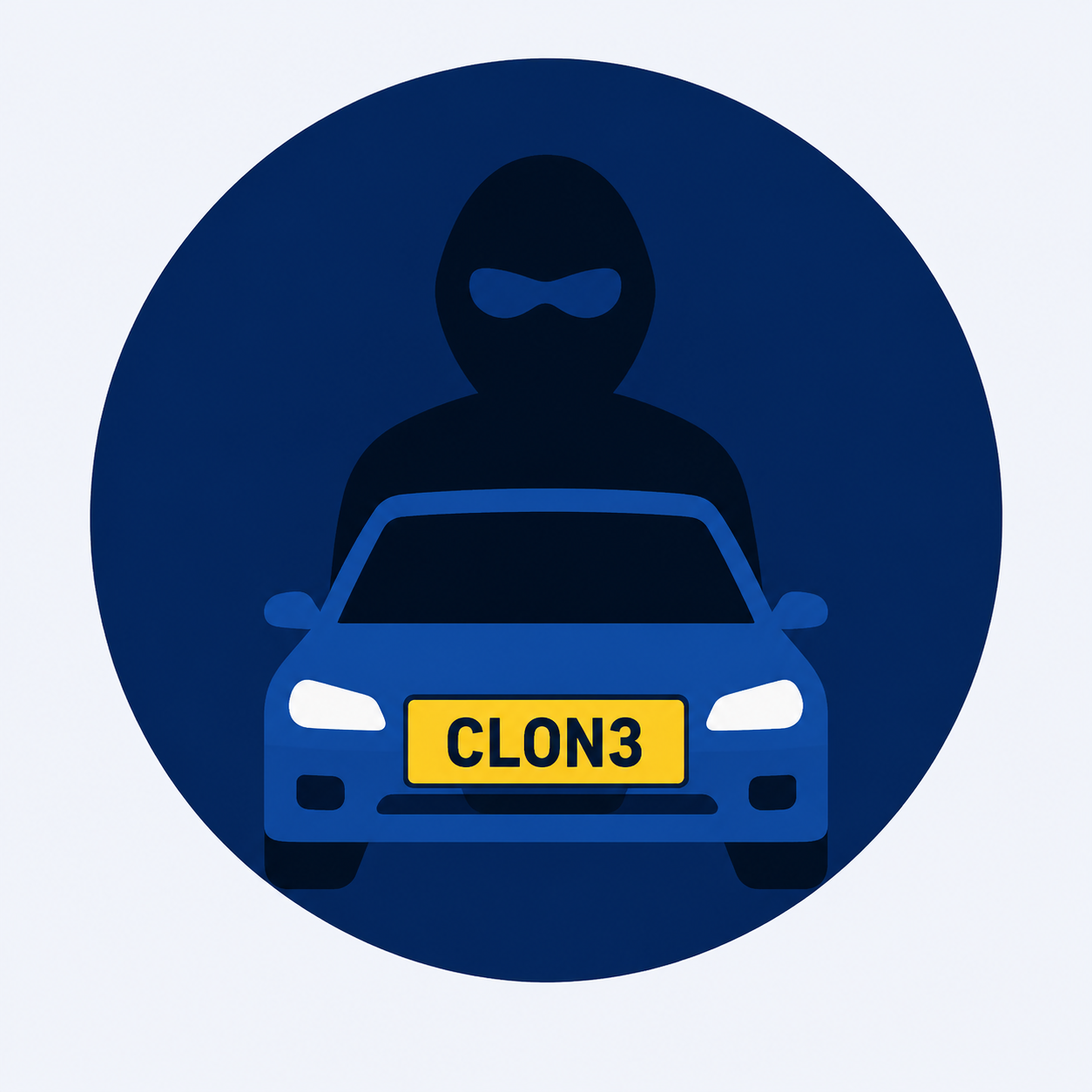
Number plate fraud, often called vehicle cloning, happens when a criminal copies your registration mark and puts it on a similar car. They run red lights, skip petrol station bills, or commit more serious offences, and the penalty notices land on your doorstep. You then have to prove you were nowhere near the scene. It is a growing problem in the UK, and it can take months of letters, phone calls and evidence gathering to clear your name. The good news is that prevention is straightforward once you know what to look for.
Cloning is not random. Thieves target vehicles that are easy to identify: a common make, model and colour that blends into traffic. A silver Ford Focus, a white Mercedes Sprinter van, a black BMW 3-series - these are regular sights on British roads, so a cloned plate on an identical car is rarely noticed by cameras or patrols. The fraudster buys a cheap vehicle that matches your description, manufactures a copy of your registration number, and drives as though the car does not exist. Meanwhile, your genuine car keeps its legitimate plates, but the system sees two vehicles reporting the same number.
The first step to stop number plate fraud Protect-A-Plate is understanding where your registration data is visible. Your number plate is on show every time you park, drive through a toll, or leave your car at a supermarket. That alone is not a risk, but coupled with a few details about your vehicle - make, model, colour - a fraudster has enough to order replica plates from an online supplier. Many sellers ask for proof of ownership, but not all check thoroughly. A photograph of your car from a public car park can be all they need.
How Cloning Happens in Practice
Fraudsters often find their target by watching car parks, online marketplaces, or social media posts where owners show off their vehicles. A photo of your car with the plate clearly visible is a gift. They also look for vehicles left in the same spot for days, such as at airports or railway stations. Once they have the registration, they search for a matching car at auction or through private sales. If they find one cheap enough, they buy it, fit the cloned plates, and start driving.

Some fraudsters go further and obtain a logbook (V5C) for the cloned number by forging the original owner's signature. They then sell the cloned vehicle to an unsuspecting buyer, who later discovers the car is not what it seems. The original owner only finds out when the DVLA or police contact them about a vehicle they never sold.
Why It Matters Beyond Fines
The immediate problem is penalty charges. You receive a bus lane fine, a congestion charge, or a speeding ticket from a city you have not visited. You write to the issuing authority, provide evidence of your whereabouts, and hope they cancel it. That process takes time and stress. But the deeper issue is identity. Your vehicle registration is linked to your name, address, insurance, and finance agreements. If a cloned car is involved in a crime, the police may seize your genuine vehicle during an investigation. Clearing your name from a criminal record takes far longer than disputing a parking ticket.
There is also the risk to your insurance premiums. Even if you are not at fault, some insurers view cloned-plate incidents as a marker of higher risk. They may increase your premium or refuse renewal. It is not fair, but it happens. The only real defense is to make cloning harder in the first place.
Practical Steps to Reduce Your Risk
You do not need to become paranoid, but a few habits make a real difference.
- Park in well-lit, busy areas where a fraudster cannot photograph your plate without being noticed. If you have a garage, use it. If you park at a train station regularly, vary your spot.
- Cover your plate when your car is parked for long periods at home or in storage. A simple plate cover or a tilt-down mechanism can block the view from casual passers-by.
- Check your plate regularly for signs of tampering. Look for loose screws, mismatched fonts, or a plate that does not sit flush with the holder. Thieves sometimes swap your plate for a cloned one to buy time.
- Do not post full photos of your car online with the plate visible. Crop the plate out or blur it before sharing on forums, social media, or marketplace listings.
- Monitor your mail for any unexpected penalty notices. If one arrives, act quickly. The sooner you report it, the easier it is to prove it was not you.
These steps are simple, but they rely on you being vigilant all the time. That is where a more systematic approach helps. The concept behind the vehicle registration verification network is that you get a proactive alert if your number is used somewhere it should not be. This is exactly what services like stop number plate fraud Protect-A-Plate provide: a layer of monitoring that runs in the background, so you do not have to check every letter yourself.
What to Do If You Are a Victim
If you receive a penalty notice for a place you never visited, do not ignore it. Write to the issuing authority immediately, state that your vehicle was not there, and provide evidence such as a photo of your car at home on the date in question, a receipt from a shop, or your phone's location history. Keep copies of everything. Report the matter to the police on 101 and get a crime reference number. Contact the DVLA to flag your registration as cloned. Also inform your insurer. The sooner you act, the less damage can accumulate.
Some victims find that the same cloned plate reappears months later with a different offence. That is because the fraudster may have changed the cloned vehicle's appearance or sold it on. Your details remain in their database. That is why ongoing monitoring matters more than a one-off check.
Why Prevention Beats Cure
Clearing a cloned-plate case can take weeks of phone calls and form-filling. In the meantime, you may face bailiffs at your door for unpaid fines that are not yours. Your credit file could be affected if the debt goes to court. And if the cloned car is used in a serious crime, you could be pulled over by armed officers. These are not scare stories; they are real outcomes that have happened to ordinary drivers across the UK.

The cost of prevention is minimal compared to the disruption. A few minutes of caution when parking, a quick check of your plate each month, and a monitoring service that alerts you to misuse can save you from a nightmare. That is why the phrase stop number plate fraud Protect-A-Plate sums up the approach: you are not waiting for the problem to find you; you are blocking it before it starts.
Final Thoughts
Number plate fraud is not going away. As long as there are untraceable vehicles on the road, there will be people looking for a clean registration to steal. But you can make yourself a harder target. Keep your plate out of sight when parked, do not hand out photos of your car with the number visible, and act fast if a penalty notice looks wrong. Combine that with a verification network that watches for your number being used elsewhere, and you have a solid defense. It is not about fear. It is about being smarter than the person looking for an easy mark.
 Twitter
 Facebook
 Instagram